
Blog
Analysis, commentary, and observations on US public policy.

Is the System Rigged as Candidates Assert?
A common assertion this election season is that the system is “rigged” in favor of the rich. Upon a review, however, it appears that the system is rigged not just in favor of the rich, but in favor of any interest group with influence. Let’s try to be fact-based and rational and share what we found.

Warren's Healthcare Plan: One More Thing
In our Commentary of 11/3, we discussed two ways that Senator Warren’s Medicare for All differs from successful programs in France, Germany, and Japan. Today, we’ve added a third way that her program is different.

Modern Demagoguery is Still Demagoguery
As the 2020 campaign for president matures, three of the four leading candidates routinely engage in pure and simple demagoguery. Once again, it looks like the more radical factions of the two parties may limit our choices. This is why the mission of OurFutureAmerica is important.
The Baby Boomer Scorecard—We Own It
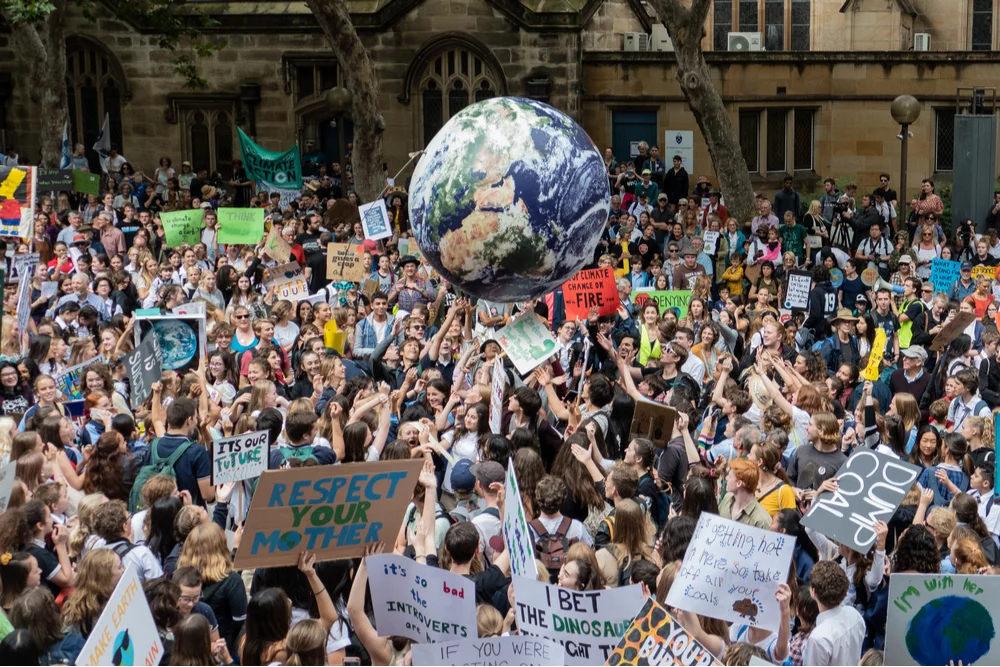
Speaking to a congressional panel made up primarily of baby boomers, 17-year-old climate activist Jamie Margolis said, “The fact that you are staring at a panel of young people testifying before you today pleading for a livable earth should not fill you with pride, it should fill you with shame.” As one of the boomers, I admit that hurt. But we own this, don’t we? Let’s try to be fact-based and rational.
Warren's Healthcare Plan—Fasten Your Seat Belts
Healthcare as an issue is not going away. And it isn’t going to get any less complicated or easier to understand. But try to understand we must if we are to make reasonable choices. Candidate Warren raised the ante this week with a detailed plan for paying for her version of Medicare for All (MFA). It is likely to be hotly debated in the coming weeks. Considering even part of it in a fact-based and rational manner requires more words than normal. But let’s try.

Is Defense Spending the New Third Rail?
The Department of Defense is likely to spend $725 billion in fiscal 2020. This represents roughly 53% of total discretionary spending. And yet, the topic has received virtually no debate during this campaign season. Is defense spending now untouchable? Let’s try to be fact-based and rational.

Mick Jagger, Drug Prices, and the Art of the Deal
Both the president and Speaker Pelosi have announced their support for negotiating drug prices. Even better, their thinking about the mechanism is similar. So, they agree, but can they reach an agreement? Let’s speculate.
Tuesday’s Democratic Healthcare Debate: Distinctions Without a Difference?
Democrats dueled vociferously on Tuesday night over healthcare. Three seemingly different positions were debated. But are the distinctions made in an effort to differentiate themselves meaningful, or are they in effect simple distinctions without a difference? Let’s try to be fact-based and rational.
Let’s begin by reviewing each option as proffered by their various proponents.

Does Anyone Believe in Free Trade?
The Democratic presidential candidates have vigorously criticized President Trump for his imposition of tariffs on China, arguing that they have unfairly hurt farmers, producers, and cost jobs. And yet, when asked specifically during the September 10 debate whether they would lift them “on day one,” they all ducked or said no. Specifically, Mayor Buttigieg said he would have “a strategy that includes the tariffs as leverage.” Why is free trade so hard to support? Let’s try to be fact-based and rational.

Climate Change Proposals: Do Details Matter?
Critics have pounced on presidential candidates’ climate change proposals, ridiculing everything from the aggregate cost to the banning of things like meat, straws, and offshore drilling. Are these sensible objections? Let’s try to be fact-based and rational.

Will Fighting Climate Change Create Jobs?
Democratic presidential candidates have sweetened their plans to fight climate change with promises of economic growth and job creation. Bernie Sanders most recently said his plan would create 20 million jobs. Can this be possible? Let’s try to be fact-based and rational.

The Cost of Universal Healthcare
Opponents of universal healthcare quickly seized on a recent estimate by the Mercatus Center that Bernie Sanders’s Medicare for All proposal would cost the federal government at least $32 trillion over the next 10 years. Their view is that this estimate provides self-evident proof that we cannot afford it. Is it a sensible argument? Let’s try to be fact-based and rational.
Yes, Candidates, Word Choice Matters
A common refrain of some of the presidential candidates is that the wealthy do not pay “their fair share” of taxes. While it is pretty clear that this means the wealthy should pay “more,” what isn’t clear is how much more would be considered “fair.” What is also not clear is whether the use of the word “fair” is in fact fair. Let’s try to be fact-based, rational, and fair.

America, Where a Life Is Not a Life
In America, the value of your life apparently depends on how you die. Some deaths matter more than others. Let’s try to be fact-based and rational.
Budget Compromise Heralded, at the Expense of the Future
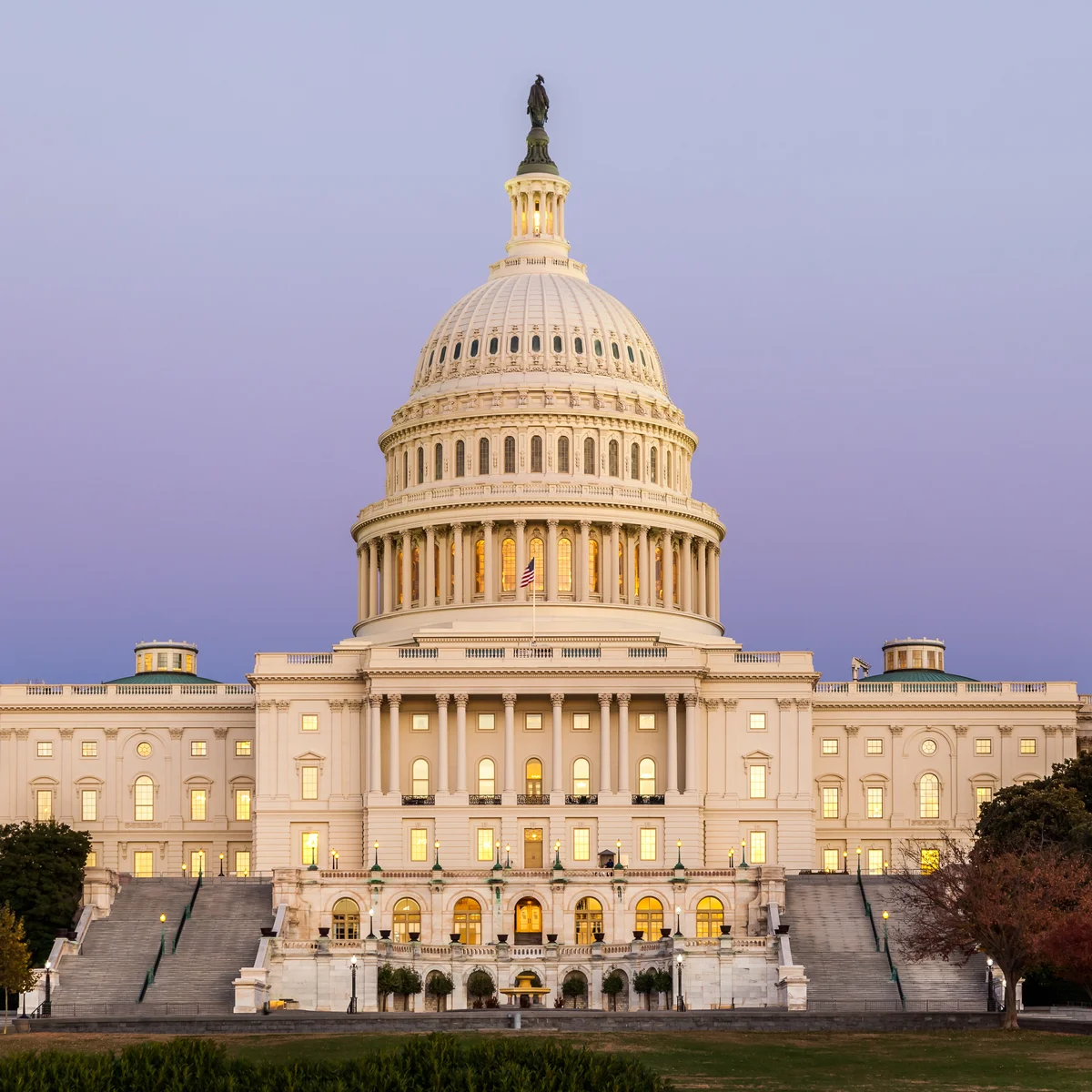
In a rare moment of compromise, both parties agreed to a budget resolution and an increase in the debt ceiling that will sustain the federal government through the coming presidential election. The leadership took a victory lap, and we are supposed to rejoice in a long-awaited compromise. While our mission is to encourage compromise, is this the outcome we want—a compromise that compromises the future? Let’s try to be fact-based and rational.
As Pundits Ask, “Who Won the Debates?” We Say, “Wrong Question”
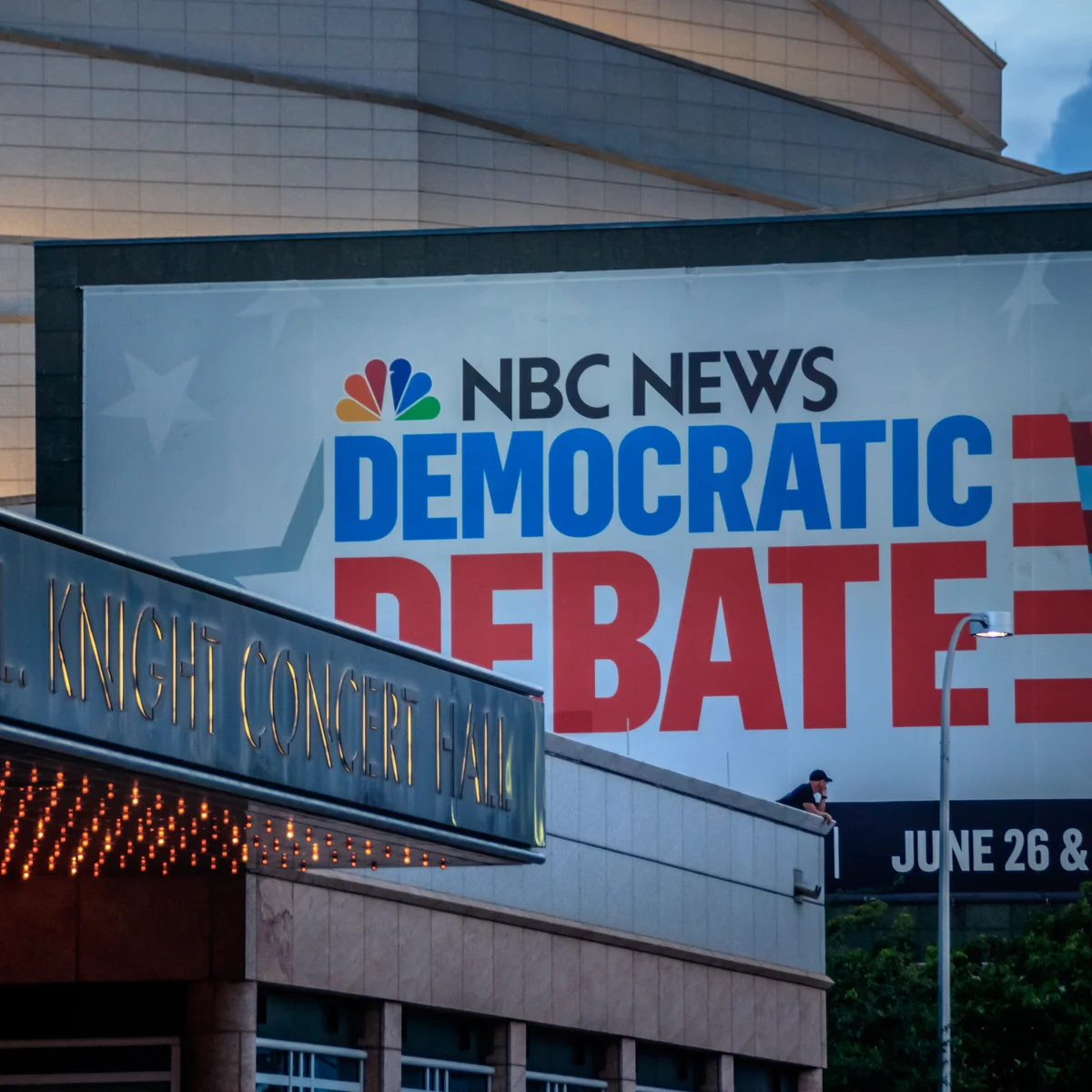
What in fact does this question even mean? Is the “winner” the candidate who scores the most memorable “debate” points, who is quickest on their feet, or who creates the most repeatable sound bites? All of this would make for good television if the debates were a sporting event. But they aren’t. We should ask for more. Let’s try to be fact-based and rational.

“160 Million Americans Like Their Employer-Based Healthcare”—Are You Sure?
The ongoing healthcare debate never fails to include reference to this so-called truism—that when polled, Americans who receive employer-based health insurance “like it.” This unchallenged belief determines, and possibly distorts, the contours of the debate on Medicare for All. Given our experience with employer-based healthcare, which is central to the way America obtains healthcare, we struggle to understand how this can be. So, this week we explored the issue and found that our concerns were well founded. Let’s try to be fact-based and rational.
Specific policy proposals—the candidates respond
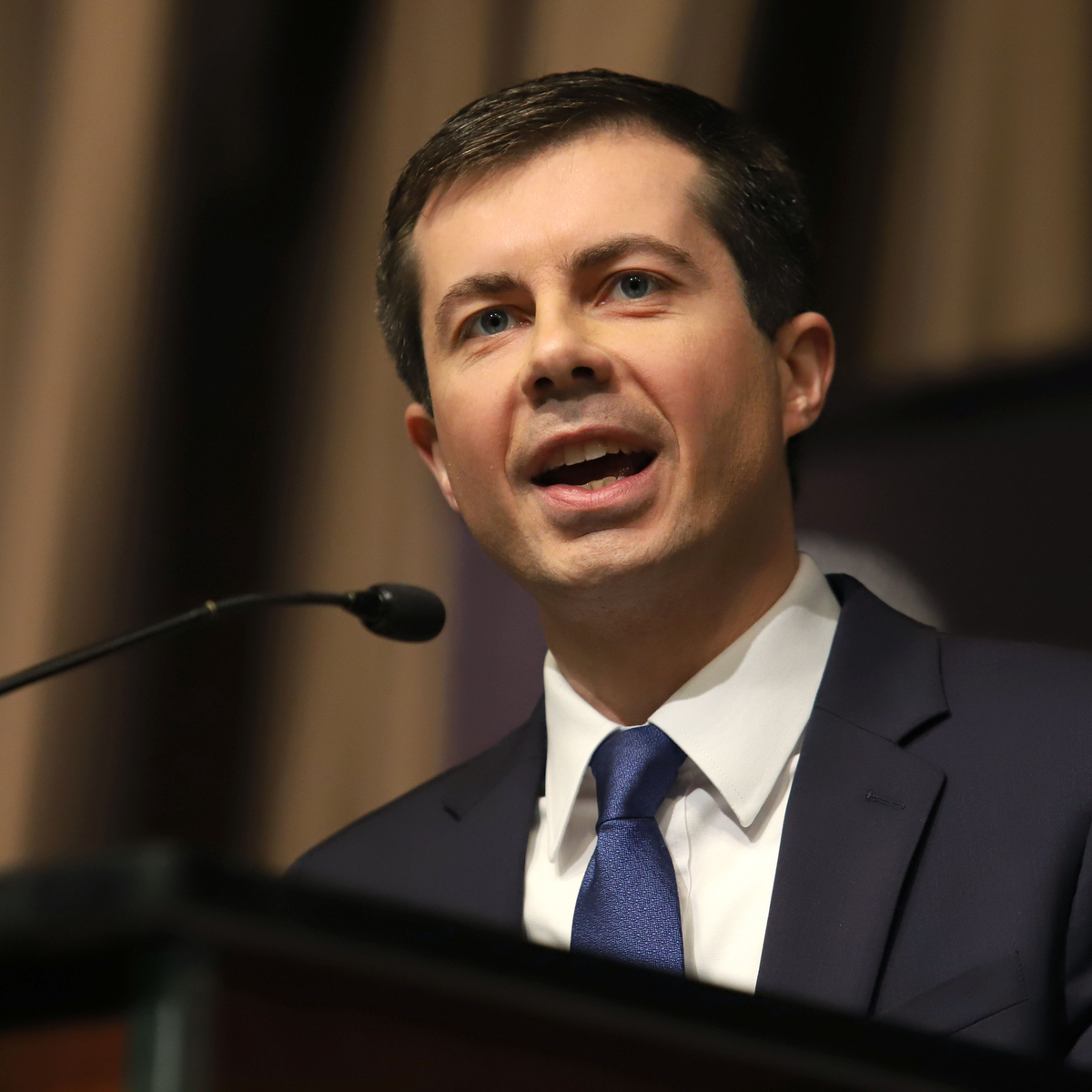
On April 28, we posted a Commentary entitled “Show some courage,” in which we observed that most of the Democratic candidates for president were disappointingly vague about their policy proposals. Mayor Pete Buttigieg provided our headline, as he had been confronted on the topic during his CNN town hall with Anderson Cooper. Since that time, Buttigieg has addressed the issue by articulating 27 reasonably specific proposals on his website, PeteforAmerica.com. We are also pleased to report that as of this writing all of the first-tier candidates have follow suit. While some are more detailed than others, the improvement in clarity and transparency is dramatic and we will all benefit from the improvement.
Political polarization: Is it really that bad?
Observations about the growing level of political polarization are frequent. Democratic candidates blame Trump for fueling the fire and pledge to unite the country. Others observe the growing divide between “red and blue states,” and the divisions over Supreme Court nominees, budget proposals, and the interpretation of the Mueller Report. Our own frustration with the absence of compromise in Washington is a significant motivation of OurFutureAmerica. But is it all true? Were there really ever any ”good old days” when Congress and the executive branch got along? Let’s try to be fact-based and rational.

Do we really need higher taxes?
As we would expect during an election year, several candidates are proposing new government programs. So far, we have proposals for higher teacher salaries, an infrastructure bill, universal daycare, student debt forgiveness, free college education, and a tax credit for low income earners, to name a few. Some of them surely deserve consideration. When candidates are asked how they plan to pay for them, however, the universal response is to raise taxes. Warren would impose a wealth tax, while the rest of the candidates seem to coalesce around rolling back the Trump tax cuts for the wealthy and corporations. By leaping immediately to tax increases, they leave us to conclude that they can find nothing in the current budget to cut. Is this sensible? Shouldn’t the current level of spending at least be discussed? Let’s try to be fact-based and rational.