
About OurFutureAmerica
My purpose is to give voice to Americans who think independently of party affiliation and are willing to engage civilly and seriously with difficult problems.
Mission
We live in a time of unprecedented political change - a time in which our traditional anchors of information, affinity, and civility have been uprooted.
One of these anchors is our political parties. Political parties no longer map cleanly onto coherent governing philosophies. The Republican Party has been reshaped around the priorities of one individual rather than a consistent conservative framework. The Democratic Party has shifted left and has yet to articulate a governing program that extends beyond opposition. Many moderates and independents are left without a political home.
At the same time, trust in traditional media has eroded. The fragmentation of news sources has accelerated, with audiences spread across podcasts, social media, and digital platforms. Individuals now assemble their own information ecosystems. Increasingly, people do not just interpret events differently - they rely on entirely different sources of what they consider to be facts. Not only might I not get my news the way you do, I, for the first time may not even recognize your sources.
The result is growing distrust, isolation, polarization, and emotional trauma. Congress is dysfunctional. Compromise is a lost art. Respect in public discourse and debate is gone. As a country, we cannot sustain the long-term policy commitments across administrations required to address the challenges we face, including fiscal imbalance, climate change, workforce disruption from artificial intelligence, and evolving geopolitical threats.
If elected leaders do not meet these challenges, others must contribute. This is the context in which I write.
My purpose is to give voice to Americans who think independently of party affiliation and are willing to engage civilly and seriously with difficult problems.
The focus of this work is to develop and evaluate policy alternatives - what we are for, not simply what we oppose.
There are too many of us to ignore: 45% of Americans identify as independent because they have positions that cross party lines. Countless more lean Republican or Democrat but feel alienated by the extreme factions that influence each party and prevent progress through compromise.
About Me
Most of us do not choose where we begin politically. I started as a small-government conservative, believing in markets and free trade as the best path to broad prosperity. For a time, that aligned with the Republican Party. Ultimately, the cost of remaining Republican became too high. I struggled as the party emphasized restrictions on marriage while expanding access to guns, all the while presiding over reckless increases in unfunded spending. The free-market party abandoned free trade, initiated a global trade war, dismissed the science of climate change, engaged in wars of choice, and increasingly relied on division and demagoguery to rally its base.
So why not the Democratic Party?
The Democratic response has been to move further left, reflexively relying on higher taxes, redistribution, and subsidies as primary policy solutions. At the same time, it has adopted its own enemies - scapegoating billionaires and large corporations for not paying “their fair share.” Most recently, the party has subordinated any semblance of policy to automatic opposition to the current administration.
Neither approach is acceptable to a policy-based independent mind and neither will produce the economic growth needed to address the rising affordability pressures facing American households. What is required now is a pro-growth agenda that expands the supply of goods and services at lower cost in critical areas such as housing, healthcare, and food.
I write not as a politician or professional activist, but as an independent American analyzing structural problems too often ignored. Our challenge is not the complexity of these problems, but our inability to reach and sustain consensus long enough to solve them.
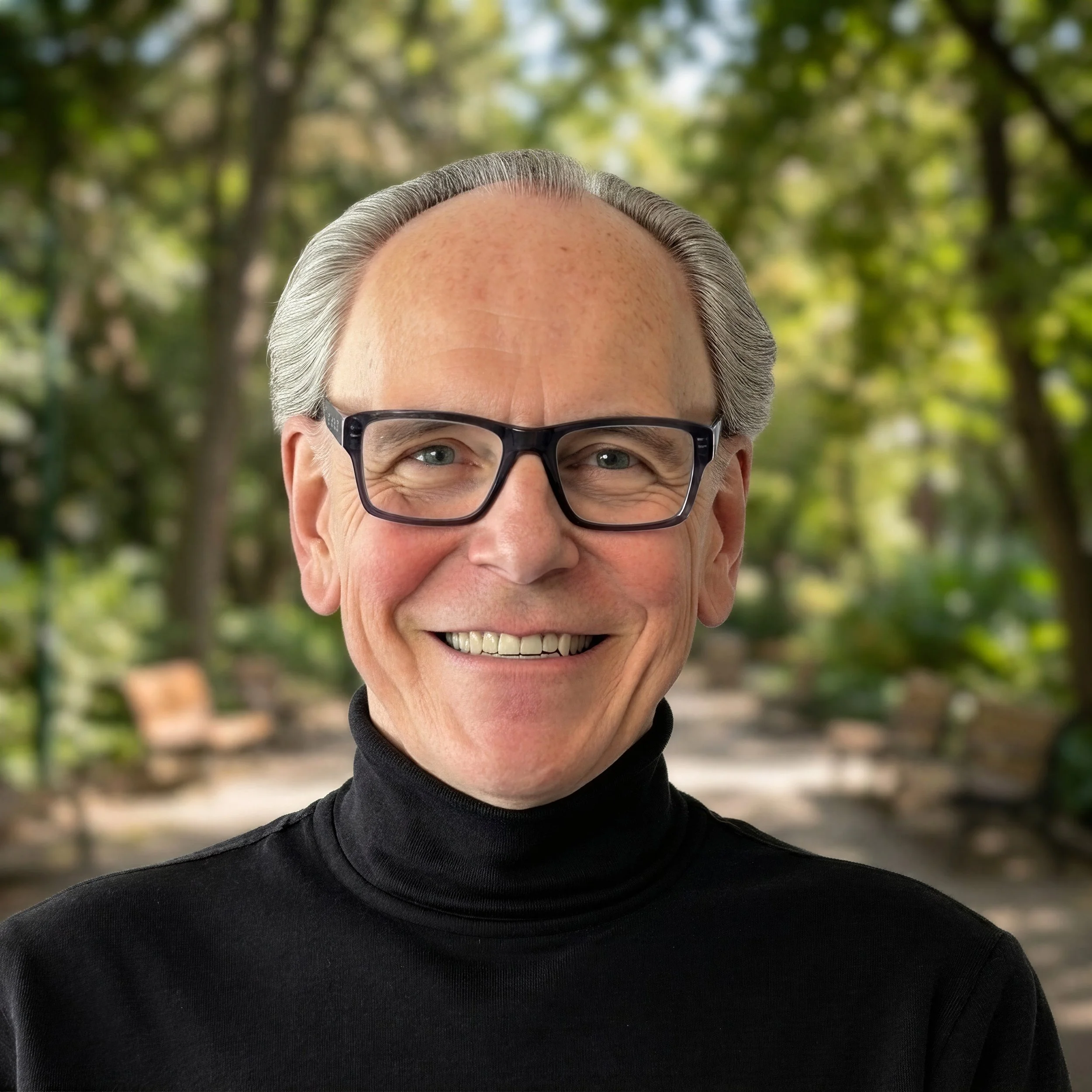
Ed Orazem
Founder, OurFutureAmerica
Ed holds a bachelor’s degree in history from the University of Washington, a Licence en Science Économique Appliquée from the University of Louvain-la-Neuve, Belgium, and an MBA from the University of Chicago Booth School of Business.
He is retired after a career in financial services, including roles as Managing Director at Citigroup and Loeb Partners, and most recently as President of Fidelity Family Office Services.
In addition to OurFutureAmerica, Ed supports several philanthropic organizations in the Boston area.